Hello again.
I want to talk about this thing.
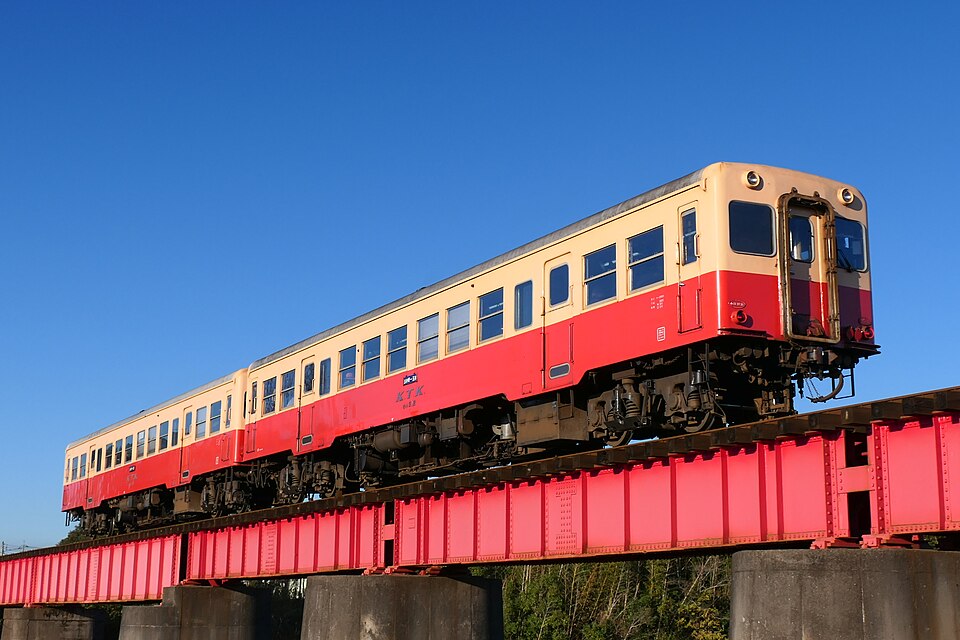
Some of the cultured out there might’ve seen this someplace else before (rest in peace, Aniki), but I want to talk about the rolling stock itself and the line it services. Not even a really big train guy, but I just like the way this looks and how scenic the railway is.
This is the Kominato Railway KiHa 200. I don’t know a whole lot of train terminology so I had to do some searching, but here are some fun facts about it:
- This is a diesel multiple unit. Multiple units are trains whose carriages contain their own method of propulsion, as opposed to trains with a locomotive pulling everything along.
- All operating units were built around the 1960s – 1970s by Nippon Sharyo, a major rolling stock manufacturer in Japan.
- The track gauge (distance between two rails) this runs on is 1,067 mm (3 ft 6 in), the primary rail gauge in Japan.
I don’t fully understand why I feel this way about this little train, but it feels calming to look at. Something about the red and cream livery of the locomotive makes it feel so gently antique. The figure of the train is also very retro-looking — reminds me of those old H-series trains that ran on the Toronto subway (I say this like the T-series don’t exist).
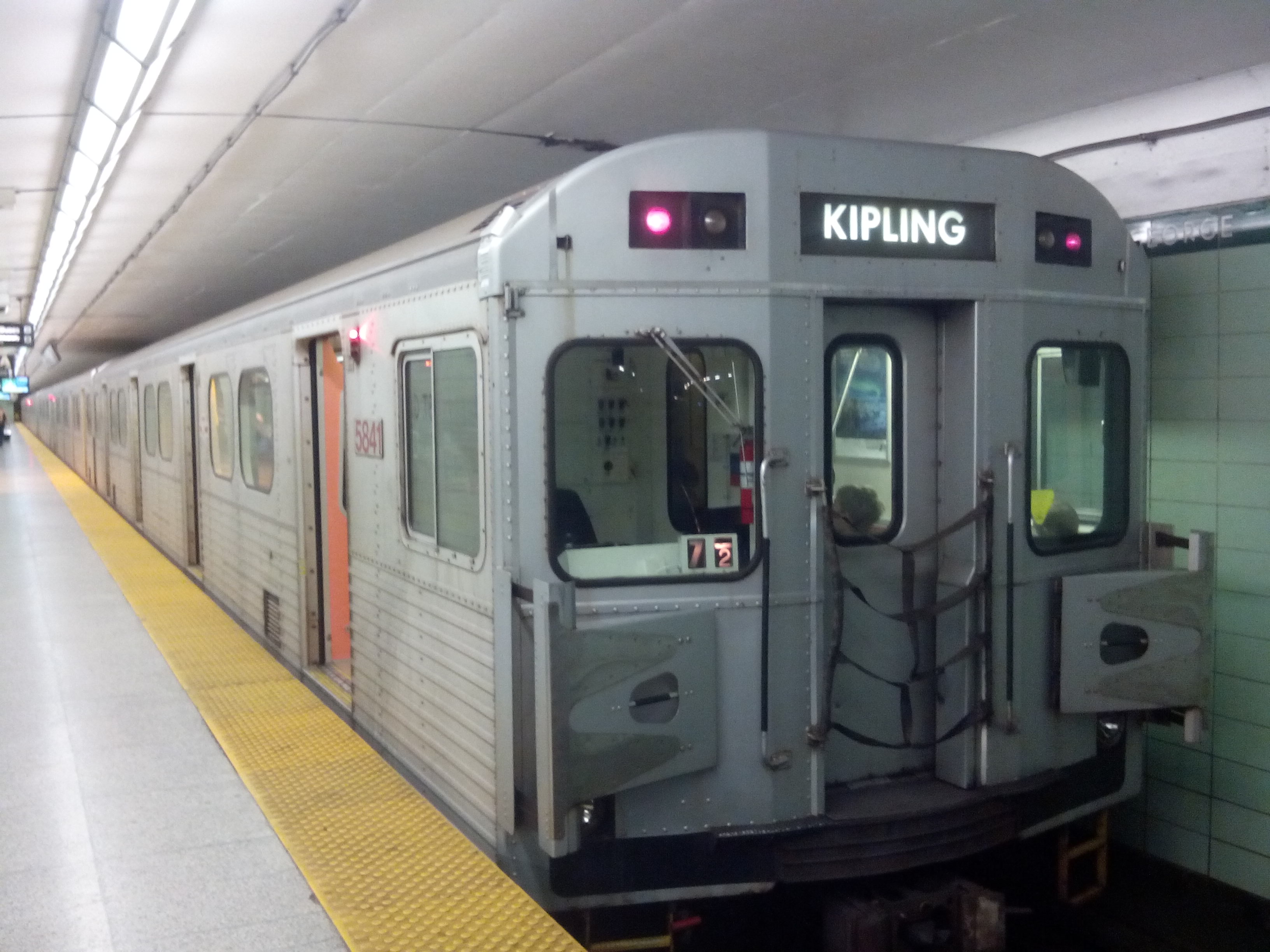
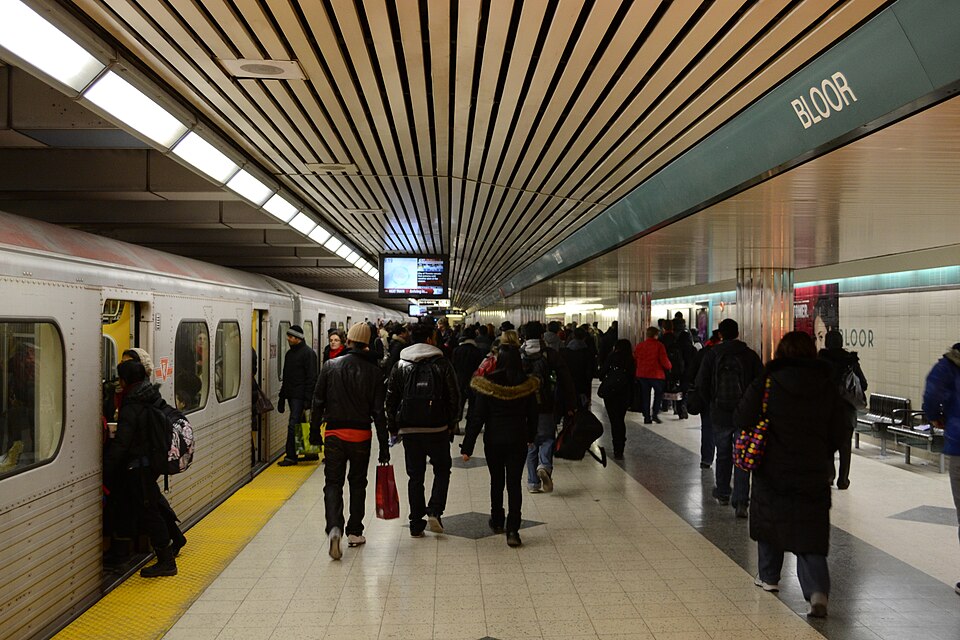
But comparatively, those TTC subway trains feel more frenzied compared to the KiHa 200. They’re both boxy, but the H-series have this sort of cold, industrial feel to them, like a reliable workhorse servicing the bustling city above it. That sort of feeling is better exemplified when you place it at a busy station like Bloor-Yonge.
Meanwhile, the KiHa 200 has this rounded, gentle exterior to it, almost sleepy in a way. You can really feel that sleepiness when you place it next to a quiet station in the countryside.
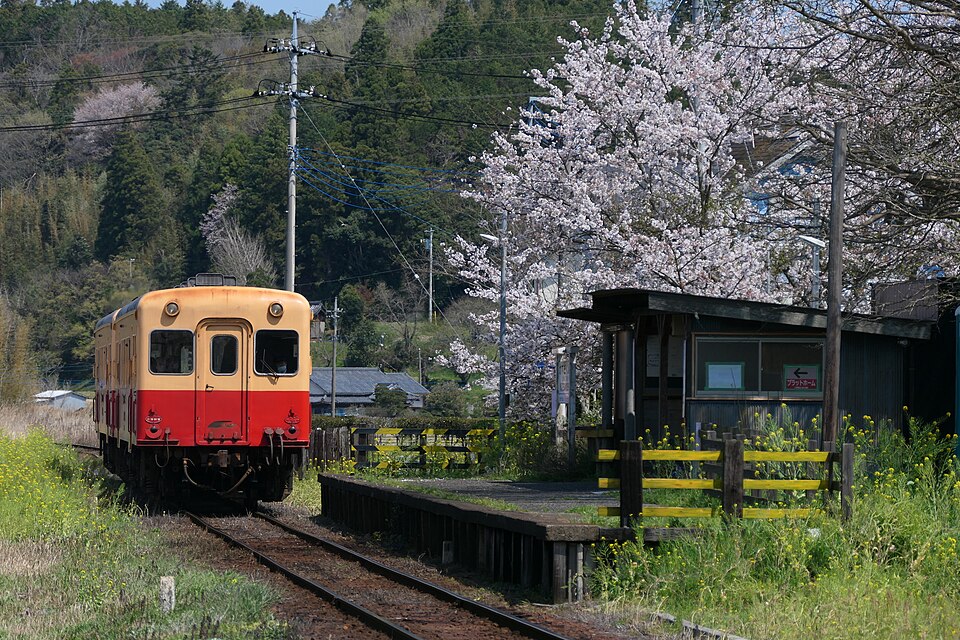
Both were built around the same time and very much share that aspect in their looks, yet each one feels like they’re sculpted for the environment around them.
Speaking of the environment, from my research, these sets of trains have spent their entire careers on the Kominato Railway. It’s a local line that runs from Goi Station, Ichihara, to Kazusa-Nakano Station, Ōtaki in Chiba prefecture. As you can see, the line snakes through the rather scenic, hilly areas of Bōsō Peninsula. Take a look at a few public domain photos I found:
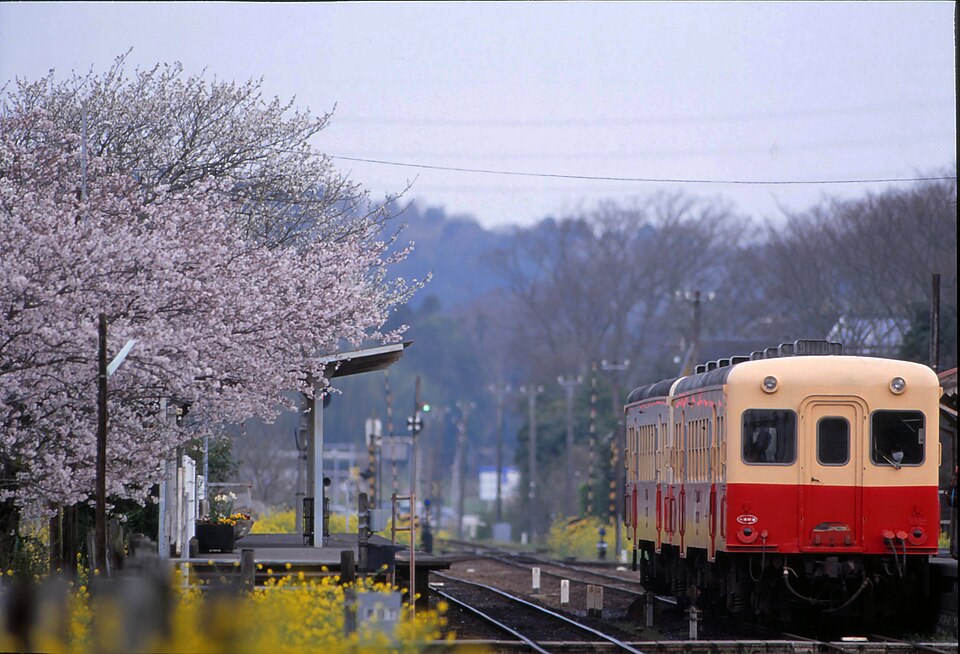
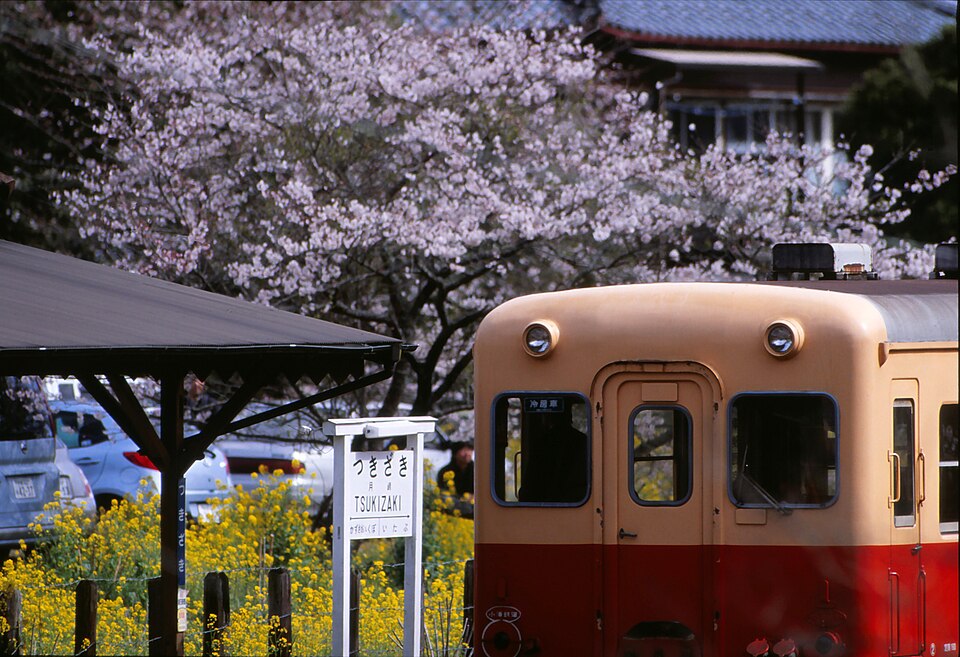
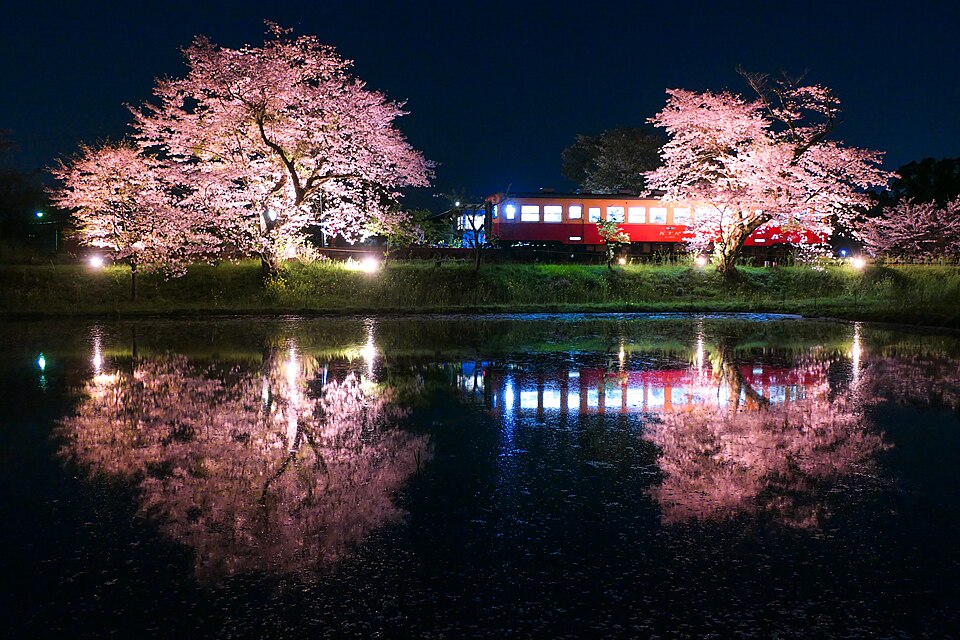
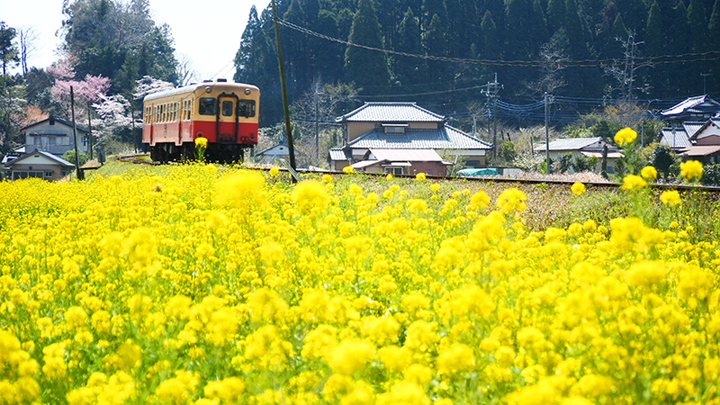
I’d love to take a long ride on that train, coursing its way through the tranquil countryside.
But yeah, I just wanted to share my feelings about this little train and the beautiful line it runs through. Maybe one day, I'll have an update with photos of my own.
As a side note (didn’t want to interrupt the flow above), there are actually two KiHa 200s. The one in this article is the series that runs on the Kominato Railway. The other one is a family of rolling stock that runs on the JR Kyushu network, shown below.
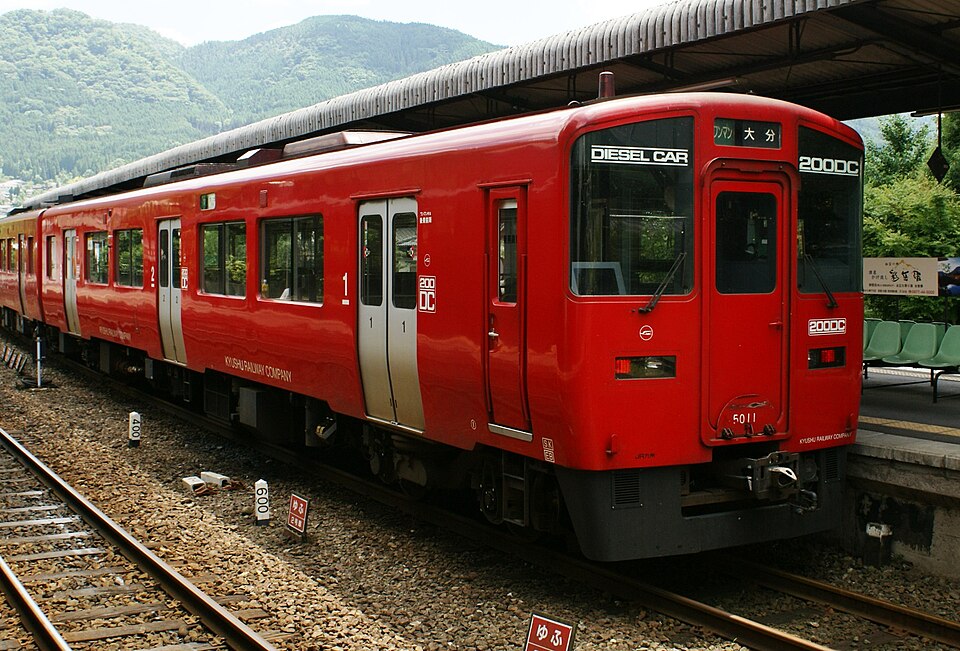
It would seem that the one on the Kominato Line is typically (from what I’ve seen, anyway) written in Japanese as 小湊鉄道 キハ200形 (as shown on the company website), while the one operating on the JR Kyushu network is written as JR九州 キハ200系 (as seen on this Japanese railfan page). Apart from the operator names prefixed to the front of the class, it would seem that 形 (-gata) is commonly used to denote a single class locomotive, while 系 (-kei) is used for a family of several classes. So, direct translations to English (not including the operator) end up collapsing the name into just “KiHa 200 series”. Thought that was a little interesting.
Oh, before I go, I added math to the blog for no reason. Here’s a big Ramanujan theorem for no reason whatsoever.
I’ll probably make use of the math typesetting some time in the future.
See you around.
Image Sources
Because proper attribution is proper internet etiquette.


